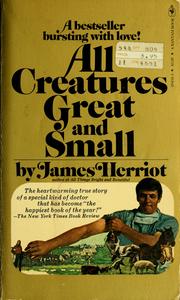
Start with All Creatures Great and Small, the American omnibus. The obvious alternative is If Only They Could Talk, the 1970 British original that genuinely came first — and it is a perfectly good book. But it is also the first half of the omnibus. Readers who begin there and then buy the famous title end up reading the same hundred pages twice, which is the single most common way this series goes wrong.
James Herriot wrote eight books about veterinary practice in the Yorkshire Dales. His American publisher combined the first six of them in pairs and gave the results new titles, which is why catalogue records for this series carry baffling numbering like #1-2 and #3-4. Neither edition is abridged, and neither is better. The American lane is shorter to keep track of and is the one most readers already own, so this path takes it first and lists the British originals afterwards for anyone who prefers the smaller volumes. Pick a lane and stay in it.
The American sequence, in order
All Creatures Great and Small opens in 1937: a newly qualified vet steps off the bus in Darrowby and discovers his employer is a magnificent lunatic. It contains British books one and two, so if you read this you should not also buy those. It is warmer and funnier than its reputation as gentle countryside comfort suggests, and there is a lot more blood in it.
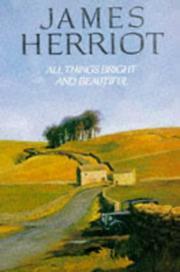
All Things Bright and Beautiful is second, holding British books three and four. Herriot is married and established by now, the farm calls have settled into the rhythm the series is loved for, and the comedy is sharper because he is no longer the youngest man in the room.
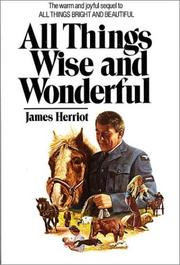
All Things Wise and Wonderful is third, holding British books five and six. Wartime RAF training frames the Yorkshire material as memory — a man in a bunk in London remembering the Dales. It is the most structurally interesting thing Herriot ever did, and it is also where readers who wanted only farm anecdotes sometimes drift.
The Lord God Made Them All is book seven, and from here the two editions converge: there is no repackaging left. Post-war practice, the arrival of drugs that actually work, and two long travel sections that genuinely divide readers — some find them the best writing in the series, others skim them to get back to Darrowby.
Every Living Thing is book eight and the last he wrote. The tone is valedictory, and a cat called Olly is the reason people cry at the end. Read it last whichever lane you took.
The British originals, if you prefer them
The mapping is exact. If Only They Could Talk and It Shouldn't Happen to a Vet together make up the American All Creatures Great and Small. Let Sleeping Vets Lie and Vet in Harness make up All Things Bright and Beautiful. Vets Might Fly and Vet in a Spin make up All Things Wise and Wonderful. After that the sequences merge and you carry on with the same two final volumes as everyone else.
The originals are worth choosing if you like short books, read in bursts, or want the version Herriot's British readers actually met in the 1970s. Vet in Harness is the funniest of them.
The one book outside the sequence
James Herriot's Yorkshire is not a memoir at all. It is a guided tour of the country the books are set in, written between volumes and illustrated throughout. Save it until the Dales already mean something to you; read cold it is a picture book about places you have no feeling for.
An honest note on what these books are
Herriot was the pen name of a working vet, and the books are memoir shaped into fiction — names changed, incidents compressed, chronology rearranged for the joke. Reading them as documentary is a mistake. Reading them as invention is a bigger one.
Where to stop
Most readers who stop early stop after the third omnibus, and that is a defensible place to leave it: the wartime frame gives the story an ending of a kind. But books seven and eight are where Herriot writes about the practice changing under him, and they are the ones people return to later. If you finish only one of the two, make it Every Living Thing.
Follow the full ordered path here: All Creatures Great and Small Reading Order: Where to Start.