Air traffic control is one of the most demanding jobs in aviation, and the surprising thing is how much of it is knowledge, not reflex. A controller has to understand what pilots are doing, why aircraft behave as they do, and what the rules require, then apply all of it in real time. The training pipeline is selective and formal, but the reading that prepares you for it has a natural order.
Learn how flight and aircraft work, then how controlling and the regulations operate, then the human factors and professional culture that keep the system safe. These books build the aviation literacy that FAA training assumes — they are companions to the formal instruction and certification the career requires, not a substitute for it.
Understand how flight works
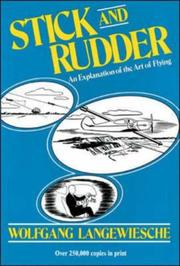
Start with Stick and Rudder, the timeless explanation of how airplanes actually fly, so aircraft stop being abstractions. Then Pilot's handbook of aeronautical knowledge 2016 is the FAA's own foundational text on aeronautical knowledge, and Handling the big jets explains how large transport aircraft behave — speeds, energy, limits — which is exactly what you are separating and sequencing as a controller.
Learn controlling and the rules
Now the job and its rulebook. The Controller offers an inside look at the world and pressures of air traffic control itself. Air traffic control career prep is aimed directly at aspiring controllers and the selection process, and Federal Aviation Regulations/Aeronautical Information Manual 2014 is the regulatory backbone — the FARs and AIM that define legal, standard operations you will work within.
Study procedures and instruments
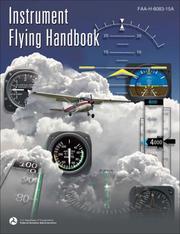
Deepen the operational picture with Instrument Flying Handbook. Understanding how pilots navigate and fly approaches in instrument conditions is essential to anticipating what they can and cannot do, which is the heart of good control.
Master the human element
Finally, the factor that decides safety. The human factor by Vicente explains how human limitations and system design interact — the discipline behind modern aviation safety. Close with Fate is the Hunter, Gann's classic memoir, for a visceral sense of aviation's stakes and the professional culture you are joining.
Work the path in order and air traffic control becomes an understandable system rather than a wall of jargon. The related cosmetology, medical-assistant, and phlebotomy paths show how the same foundations-first approach opens other demanding, credentialed careers.
Follow the full reading path →
Ready to learn something deeply?
Build a reading path — free