Become an EMT or paramedic: frontline & irreplaceable
This curriculum moves from the human story of emergency medicine to its technical foundations, then into the paramedic-level science and field craft, and finally into the career realities and leadership that define a long, sustainable EMS life. Each stage builds the vocabulary, empathy, and clinical reasoning needed for the next, so that by the end the learner can think, act, and grow like a seasoned prehospital professional.
The Human Side of EMS
BeginnerUnderstand what EMS work actually feels like from the inside — the culture, the calls, the emotional weight, and the rewards — before opening a single textbook.
▸ Study plan for this stage
Pace: 6–8 weeks total: Weeks 1–4 for "Paramedic" by Peter Canning (~20–25 pages/day, reading reflectively rather than quickly), Weeks 5–8 for "Rescue 471" by Peter Canning (~20–25 pages/day). Budget extra time after each book for journaling and reflection exercises. No rushing — absorption matters more th
- The emotional and psychological reality of EMS work — how repeated exposure to trauma, death, and human suffering shapes a paramedic's inner life over time, as lived by Canning across both memoirs
- EMS culture and identity — the dark humor, camaraderie, hierarchy, and unwritten codes that define life inside an ambulance crew, illustrated through Canning's Hartford street experiences
- The tension between clinical competence and human compassion — how Canning struggles to be both technically skilled and emotionally present for patients, and why that balance is so difficult to maintain
- The social landscape of EMS patients — poverty, addiction, mental illness, and homelessness as recurring realities of urban 911 calls, not exceptions, as depicted in 'Paramedic' and 'Rescue 471'
- Career arc and self-doubt — Canning's journey from newcomer to seasoned paramedic, including mistakes, growth, burnout risk, and the ongoing question of whether the work is sustainable
- The meaning-making process — how EMS workers find purpose, pride, and motivation in a job that offers little public recognition and enormous personal cost
- Critical calls and decision-making under pressure — through Canning's narrative accounts, understanding how real-world calls differ from textbook scenarios in pacing, ambiguity, and emotional stakes
- Compassion fatigue and resilience — recognizing the signs of emotional depletion that Canning describes and understanding why peer support and self-awareness are survival skills in EMS
- After reading 'Paramedic,' how would you describe Peter Canning's motivation for entering EMS, and how does that motivation evolve by the end of the book?
- Both books portray a recurring cast of frequent 911 callers and vulnerable urban patients — what does Canning's treatment of these individuals reveal about the ethical demands placed on EMS providers?
- How does Canning depict the relationship between paramedics and other emergency services (hospitals, police, fire) — where does cooperation break down and why?
- What specific calls or moments in 'Rescue 471' most clearly illustrate the concept of compassion fatigue, and how does Canning respond to those moments personally?
- Based on both memoirs, what aspects of EMS culture do you think could be harmful to new providers, and what aspects seem genuinely supportive?
- Having read both books, how would you explain to someone outside EMS why the job is simultaneously deeply rewarding and deeply difficult — using concrete examples from Canning's experiences?
- Keep a 'Call Log Journal': After every reading session, pick one call or scene Canning describes and write a short paragraph from the patient's point of view. This builds empathy and forces close reading of how Canning frames his patients.
- Emotional Vocabulary List: As you read, highlight every word or phrase Canning uses to describe his own emotional state. At the end of each book, compile the list and look for patterns — which emotions dominate, which are avoided, and what that reveals about EMS culture.
- Culture Decoder Exercise: Create a two-column chart — on one side list examples of EMS culture from the books that seem healthy and functional; on the other, list examples that seem toxic or harmful. Write a one-paragraph reflection on what you'd personally want to carry into your own career.
- Stress & Coping Inventory: Identify every coping mechanism Canning uses across both books (humor, distancing, exercise, talking to colleagues, etc.). Research one of those mechanisms and write a brief note on whether the evidence supports it as healthy or harmful.
- The 'Why EMS?' Letter: After finishing 'Paramedic,' write a one-page unsent letter to Canning explaining why you are pursuing an EMS career, using his experiences as a mirror for your own motivations. Revisit and revise it after finishing 'Rescue 471' to see how your thinking has shifted.
- Peer Discussion or Solo Debate: Formulate two opposing arguments — one for 'EMS is a sustainable, fulfilling long-term career' and one for 'EMS as currently structured burns people out inevitably' — drawing evidence exclusively from both Canning books. Debate yourself in writing or discuss with a study partner.
Next up: By grounding you in the lived emotional and cultural reality of EMS through Canning's eyes, this stage ensures that when you open your first medical textbook, you'll be learning anatomy, pharmacology, and protocols not as abstract facts but as tools that real people in high-stakes, emotionally charged situations must deploy — giving every technical concept a human face from day one.
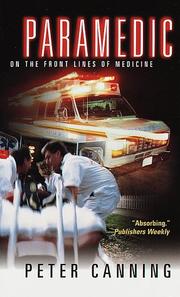
A working paramedic's vivid memoir of street-level emergency care in Hartford, CT. It builds immediate intuition for what the job demands emotionally and physically before any formal study begins.
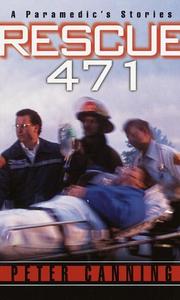
Canning's follow-up deepens the picture of long-term EMS life, showing how providers grow, struggle, and find meaning — essential context before committing to the pathway.
EMT Foundations
BeginnerMaster the core knowledge and skills required for National Registry EMT certification: patient assessment, airway management, trauma, medical emergencies, and EMS operations.
▸ Study plan for this stage
Pace: 10–12 weeks, ~25–35 pages/day (5 days/week), covering Emergency Care by Andrew W. Stern end-to-end; allocate extra review days after each major section (patient assessment, airway, trauma, medical emergencies, and EMS operations) before moving on.
- EMS System Structure & the EMT's Role: understanding the tiered EMS system, scope of practice, medical direction, and legal/ethical responsibilities as outlined in Emergency Care
- Patient Assessment Framework: mastering the scene size-up, primary survey (ABCDE), history taking (SAMPLE, OPQRST), secondary assessment, and reassessment as taught in Emergency Care
- Airway Management & Ventilation: head-tilt/chin-lift, jaw thrust, oropharyngeal and nasopharyngeal airways, BVM technique, oxygen delivery devices, and recognizing respiratory failure
- Shock & Perfusion: pathophysiology of hypoperfusion, recognizing compensated vs. decompensated shock, and EMT-level interventions covered in Emergency Care
- Trauma Emergencies: mechanism of injury, hemorrhage control (direct pressure, tourniquets, wound packing), spinal motion restriction, burns, musculoskeletal injuries, and multi-system trauma
- Medical Emergencies: recognition and management of cardiac arrest (CPR/AED), stroke, diabetic emergencies, allergic reactions/anaphylaxis, seizures, respiratory emergencies, and altered mental status
- Special Populations & Situations: pediatric, geriatric, and obstetric patient considerations, as well as behavioral emergencies, as covered in Emergency Care
- EMS Operations: ambulance operations, incident command system (ICS), mass-casualty incidents (START triage), hazmat awareness, and lifting/moving patients safely
- After completing Emergency Care, can you walk through every step of a complete patient assessment — from scene size-up through reassessment — and explain the clinical rationale behind each step?
- What are the signs and symptoms that distinguish compensated shock from decompensated shock, and what EMT-level interventions does Emergency Care recommend for each?
- How does Emergency Care differentiate the management of a trauma patient with a potential spinal injury from one without, and what criteria guide spinal motion restriction decisions?
- For each major medical emergency covered in Emergency Care (cardiac arrest, stroke, anaphylaxis, diabetic emergency, seizure), what are the key assessment findings and the correct sequence of EMT interventions?
- What are the legal and ethical obligations of an EMT — including consent, refusal of care, advance directives, and mandatory reporting — as described in Emergency Care?
- How does Emergency Care describe the EMT's role within the Incident Command System during a mass-casualty incident, and how is START triage applied?
- Scene Size-Up Simulation: Using household settings or a local park, practice narrating a full scene size-up out loud — identify hazards, determine MOI/NOI, count patients, and call for resources — referencing the framework in Emergency Care.
- Patient Assessment Drill (Partner or Self-Talk): Run through the full assessment sequence (primary survey → SAMPLE history → OPQRST → secondary assessment → reassessment) on a willing friend or family member, using Emergency Care's chapter checklists as your scoring rubric.
- Airway Skills Practice: Using a CPR manikin or airway trainer (available at many community colleges and fire stations), practice head-tilt/chin-lift, jaw thrust, OPA/NPA sizing and insertion, and BVM ventilation at a rate of 10–12 breaths/min for adults; time yourself and self-assess seal quality.
- Hemorrhage Control & Tourniquet Application: With a tourniquet (CAT or SOFTT-W) and a training bandage, practice one-handed tourniquet application on your own thigh and on a partner, aiming for application in under 60 seconds; then practice wound packing with gauze on a simulated wound (rolled sock in a cup).
- Flashcard Deck — Medical Emergencies: Create a two-sided flashcard set (physical or Anki) for every medical emergency in Emergency Care: front = chief complaint + key vitals, back = EMT treatment steps. Drill until you can recite each protocol without hesitation.
- START Triage Tabletop Exercise: Write 10–15 patient scenario cards (age, chief complaint, respiratory rate, pulse, mental status) drawn from Emergency Care's MCI chapter, shuffle them, and practice assigning START triage tags (Immediate/Delayed/Minor/Expectant) under a 30-second-per-patient time limit.
Next up: Mastering the EMT-level patient assessment, airway, trauma, and medical emergency protocols in Emergency Care builds the clinical reasoning foundation needed to tackle the more advanced pharmacology, invasive skills, and critical-care decision-making that define the next stage of the curriculum (Advanced EMT or Paramedic-level study).
The single most widely used EMT textbook in the United States, written to align directly with the National EMS Education Standards. Start here to build the essential clinical vocabulary and protocols.
Paramedic Science & Clinical Reasoning
IntermediateDevelop the advanced anatomy, physiology, pharmacology, and pathophysiology knowledge required at the paramedic level, and begin applying it to complex patient presentations.
▸ Study plan for this stage
Pace: 10–13 weeks total. Weeks 1–7: Bledsoe's "Paramedic Care: Principles and Practices, Volume 4" — read ~25–35 pages/day, focusing one week each on major body systems (cardiology, neurology, respiratory, endocrine/metabolic, toxicology, trauma, and special populations). Weeks 8–13: Tintinalli's "Emergen
- Advanced cardiology: 12-lead ECG interpretation, dysrhythmia recognition, and ACS management protocols as presented in Bledsoe Vol. 4's cardiology module
- Advanced airway and respiratory pathophysiology: ventilation-perfusion mismatch, obstructive vs. restrictive disease, and RSI indications drawn from Bledsoe Vol. 4
- Pharmacology at the paramedic level: drug classes, mechanisms of action, dosing calculations, and contraindications for cardiac, neurological, and metabolic drugs covered in Bledsoe Vol. 4
- Neurological emergencies: stroke recognition (Cincinnati/NIHSS scales), seizure management, and altered mental status differentials bridged between Bledsoe Vol. 4 and Tintinalli
- Endocrine and metabolic crises: diabetic emergencies (DKA vs. HHS), adrenal crisis, and thyroid storm as detailed in Tintinalli's emergency medicine manual
- Toxicological emergencies: toxidrome identification, antidote selection, and decontamination principles from both Bledsoe Vol. 4 and Tintinalli
- Clinical reasoning framework: systematic patient assessment, forming a field impression, and constructing a differential diagnosis using Tintinalli's evidence-based approach
- Pathophysiology-to-treatment linkage: understanding WHY each intervention works by connecting Bledsoe's paramedic protocols to Tintinalli's physician-level pathophysiology explanations
- After reading Bledsoe Vol. 4's cardiology chapters, can you identify and name the treatment algorithm for a patient presenting with ST-elevation on a 12-lead ECG, including drug choices and doses?
- Using Tintinalli as your clinical reference, what are the key differentiating features between a hemorrhagic and ischemic stroke in the prehospital setting, and how does this distinction change your management?
- From Bledsoe Vol. 4's pharmacology content, how would you calculate a weight-based dopamine drip for a 90 kg patient in cardiogenic shock, and what receptor mechanism justifies its use?
- Drawing on both books, what toxidromes can you identify, what antidotes are paired with each, and at what point does Tintinalli recommend escalating to advanced airway management in overdose patients?
- How does Bledsoe Vol. 4 describe the pathophysiology of DKA versus HHS, and what prehospital interventions does it recommend — and how does Tintinalli's management algorithm extend or refine that approach?
- After completing both books, can you construct a structured differential diagnosis (at least 5 conditions) for an adult patient presenting with acute onset dyspnea, using Bledsoe's assessment framework and Tintinalli's diagnostic criteria?
- ECG Drill Sessions (Bledsoe-anchored): Print or use a free ECG app to practice 10 rhythm strips per week. For each strip, write the rhythm name, the Bledsoe Vol. 4 treatment protocol, and the drug/dose — simulating the field decision-making loop.
- Drug Card Creation (Bledsoe Vol. 4 pharmacology chapters): For every drug introduced in Bledsoe Vol. 4, create a physical or digital flashcard with: drug class, mechanism, indications, contraindications, dose, and one clinical scenario where you would use it.
- Tintinalli Cross-Reference Mapping: After finishing each Bledsoe Vol. 4 chapter, find the corresponding section in Tintinalli. Write a one-paragraph comparison noting what Tintinalli adds (e.g., lab values, imaging criteria, in-hospital escalation) that expands the paramedic-level picture.
- Case-Based Differential Diagnosis Practice: Write 3 original patient vignettes per week (e.g., chest pain, altered mental status, respiratory distress). For each, list a minimum of 5 differential diagnoses ranked by likelihood, using Tintinalli's diagnostic frameworks to justify your ranking.
- Pharmacology Dosing Calculation Drills: Using scenarios from Bledsoe Vol. 4, practice at least 5 weight-based drug calculations per week (drips, push doses, pediatric adjustments). Time yourself to simulate exam and field pressure.
- Toxidrome Scenario Role-Play: With a study partner or using written scenarios, present a 'mystery overdose patient.' Use Bledsoe Vol. 4's toxicology chapter to identify the toxidrome and select the antidote, then verify and deepen the management rationale with Tintinalli's toxicology section.
Next up: ">Mastering the advanced pathophysiology, pharmacology, and clinical reasoning frameworks in Bledsoe Vol. 4 and Tintinalli equips the reader with the medical knowledge foundation needed to move into the next stage, where that knowledge is applied under pressure through simulation, NREMT-P exam preparation, and real-world clinical decision-making scenarios.

The canonical multi-volume paramedic curriculum text, covering everything from advanced airway to cardiology to toxicology. This is the backbone of virtually every accredited paramedic program.

Bridges prehospital and emergency department thinking, giving the aspiring paramedic a physician-level reference for pathophysiology and differential diagnosis that sharpens clinical reasoning.
Career Longevity & Professional Identity
ExpertBuild the resilience, leadership mindset, and professional vision needed to sustain a decades-long EMS career — managing trauma, burnout, and growth into leadership or specialty roles.
▸ Study plan for this stage
Pace: 2–3 weeks, ~20–25 pages/day — read reflectively, not quickly; journal alongside each session to maximize self-awareness gains
- Cumulative stress and compassion fatigue: recognizing how repeated exposure to trauma quietly erodes emotional reserves over a career, as Grange documents through his own EMT training and field experiences
- The gap between romanticized EMS expectations and operational reality: Grange's honest portrayal of the unglamorous, exhausting, and morally complex calls that define daily EMS work
- Professional identity formation: how new and experienced providers construct a sense of self around the EMS role, and the risks of over-identifying with the 'hero' archetype
- Peer culture and gallows humor as coping mechanisms: understanding their protective function while recognizing when they mask unprocessed trauma
- Mentorship and the apprenticeship model: how seasoned partners transmit not just skills but values, attitudes, and survival strategies to newer providers
- Burnout anatomy — the three-stage progression from idealism through disillusionment to either renewal or exit — and the personal decision points Grange navigates
- Narrative medicine and reflective writing as resilience tools: Grange's own act of writing the book models how storytelling can process and integrate difficult experiences
- Intentional career architecture: using self-awareness gained early in a career to make proactive choices about specialty roles, leadership, education, or transition rather than drifting into attrition
- According to Grange's account, what are the earliest warning signs that a provider's idealism is curdling into cynicism, and what distinguishes healthy realism from destructive detachment?
- How does Grange portray the role of experienced partners and informal mentors in shaping a new provider's professional identity — and what responsibilities does that place on senior EMS professionals?
- In what ways does the book illustrate the physical, emotional, and relational costs of EMS work, and what coping strategies does Grange observe or adopt that prove sustainable versus those that don't?
- How does Grange's outsider-turned-insider perspective (as a writer entering EMS) give him a unique lens on professional culture, and what blind spots or strengths does that perspective reveal?
- What does 'Lights & Sirens' suggest about the relationship between personal meaning-making and career longevity — why do some providers thrive for decades while others leave or deteriorate?
- How can the act of reflective writing or storytelling — modeled by Grange himself — be practically integrated into an EMS professional's ongoing mental health and career development routine?
- Resilience Autobiography: Write a 2–3 page personal narrative modeled on Grange's style — document your most challenging call or career moment, focusing not on the clinical facts but on your emotional arc before, during, and after. Identify what you learned about yourself.
- Burnout Self-Audit: Using the themes from the book, create a personal 'career health checklist' with 10–15 indicators across physical, emotional, relational, and motivational domains. Rate yourself honestly and identify one area needing immediate attention.
- Mentor Mapping Exercise: Draw a 'mentorship map' of your career so far — list every person who has shaped your professional identity (positively or negatively), what they modeled, and what you want to consciously pass on if you step into a mentorship role.
- Culture Observation Journal: Over one full work week, keep a brief daily log of peer interactions, humor, debriefs (formal or informal), and team rituals. After the week, analyze which behaviors build psychological safety and which ones normalize suppression of distress.
- Career Architecture Blueprint: Draft a 5- and 10-year career vision document. Define at least two possible growth paths (e.g., field supervisor, flight EMS, education, administration, specialty care) and list three concrete steps — certifications, relationships, experiences — needed for each path.
- Reflective Reading Discussion: Find one colleague, study partner, or mentor to read 'Lights & Sirens' alongside you. Schedule two structured conversations — one at the halfway point and one at the end — using the stage questions above as discussion prompts to externalize and stress-test your reflections.
Next up: By confronting the personal and cultural forces that shape — and sometimes shorten — EMS careers, this stage equips the reader with the self-awareness and professional intentionality needed to engage with any subsequent study of advanced clinical practice, leadership theory, or systems-level EMS improvement from a grounded, sustainable identity rather than a reactive one.

A journalist-turned-EMT recounts his training and first year in the field, offering an honest, outsider-to-insider arc that helps the now-experienced learner reflect on their own professional journey.
Discussion
Keep reading
Paths that share books, cover the same subject, or open a related topic.