Georgette Heyer books in order: where to start with the Regency romances
Georgette Heyer wrote more than fifty novels and effectively invented the Regency romance as a genre, so the first question is not order but which ones. The books are standalones with one small exception — These Old Shades, Devil's Cub and An Infamous Army follow the same family across three generations — so this path is arranged by how good they are and how well they introduce what she does. Start with the Alastair books, move to the mature comedies of the late 1940s and 50s where she is at her best, then to the novels that show her range, and finish with the two odd corners of the shelf and a biography. Skip the very early Georgian romances; The Black Moth was written when she was seventeen and reads like it.
Start Here — The Alastair Books
BeginnerRead the only loosely connected sequence she wrote, and get a feel for the Georgian and Regency worlds she built out of primary sources.
▸ Study plan for this stage
Pace: 4 weeks, about 1,430 pages. These Old Shades is 358 pages, Devil's Cub 288 and the fastest read of the four, Regency Buck 349, An Infamous Army 438 and much the slowest — its second half is a Waterloo novel with orders of battle, casualty figures and named regiments, and it moves at the speed of mil
- Heyer effectively invented the Regency romance as a genre, so the conventions these books look like they are following are largely conventions they established.
- These Old Shades is Georgian, not Regency — powdered hair, France before the Revolution — and the distinction matters because Heyer's period accuracy is the point of her.
- Devil's Cub is better constructed and funnier than its predecessor, which is unusual for a sequel and worth noticing: Heyer improved fast.
- Regency Buck is her first Regency proper and the book where the period detail — Brummell, the clubs, the coaching roads — becomes structural rather than scenic. It is also the weakest of the four, with a guardian hero and a chilly romance; read it for what it started.
- An Infamous Army carries characters from all three earlier books and is the strangest thing on this path: a Regency romance whose second half is a Waterloo narrative accurate enough that it was used at Sandhurst.
- Heyer's research was archival — newspapers, memoirs, letters, cant dictionaries — and the vocabulary in these books is reconstructed rather than invented.
- The Alastair connection is the exception to her practice. Everything else she wrote is a standalone, so this is the one stage where reading order is a genuine constraint.
- What is the difference between the Georgian world of These Old Shades and the Regency of Regency Buck, in Heyer's hands? Name three concrete markers.
- Devil's Cub gives its heroine a pistol and lets her use it. What does that do to the standard rake-and-innocent plot?
- Why is Regency Buck less satisfying than the other three despite being more carefully researched?
- An Infamous Army spends its second half on a battle. Does the romance survive the shift, and what is Heyer's evident reason for attempting it?
- Trace the Alastair family across the four books. What does Heyer gain from the continuity, given that she never tried it again?
- Keep a running glossary of Regency cant as you read — a bit of a dash, on the strut, in the basket — and note the first book in which each term appears. Heyer's vocabulary is drawn from period sources, and the glossary is the fastest way to see her research operating.
- Draw the Alastair family tree across the four novels, with dates. It is not printed in the books and building it yourself makes An Infamous Army's cast legible.
- Read An Infamous Army's Waterloo chapters beside any straight history of the battle and check three specific details — the timing of the Duchess of Richmond's ball, the position of a named regiment, the sequence of the afternoon. The accuracy is the claim; test it.
- Compare the first meeting between hero and heroine in These Old Shades and in Devil's Cub. Six years apart, same family, and the second is a visible technical improvement — identify what specifically improved.
Next up: With the connected books read and her method visible, you can go to the novels of the late 1940s and 50s where she is doing all of it at once and doing it best.
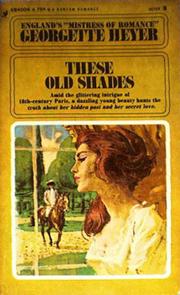
The 1926 novel that made her name and the usual first recommendation: the Duke of Avon buys a red-headed page who is not what he appears. Georgian rather than Regency, high-handed and enormously entertaining, and the start of the only family sequence in her work.

Avon's son, twenty years on, and a heroine who shoots him. Better constructed than its predecessor and the funnier of the two — read it straight after. Catalogued here with the Alastair-Audley series number attached.

Her first Regency proper, and the book where she starts using the period detail — Brummell, the clubs, the roads — as more than backdrop. Also the weakest of the four here: the hero is a guardian and the romance is chilly. Read it for what it started rather than for itself.
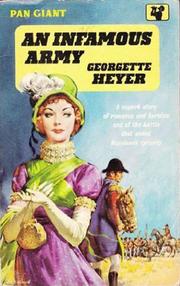
The fourth Alastair book and the strangest thing on this list: a Regency romance whose second half is a Waterloo novel so accurate it was used at Sandhurst. It carries characters from all three books above, which is why it comes last in the stage.
The Mature Regency Comedies
BeginnerRead the four novels most often named as her best, and see the comedy of manners doing the work the romance plot only pretends to.
▸ Study plan for this stage
Pace: 4 weeks, about 1,370 pages of comparably paced novels — Frederica 384, The Grand Sophy 336, Arabella 315, Cotillion 338. Roughly a book a week. One thing to know before starting The Grand Sophy: one scene deploys an ugly antisemitic caricature of a moneylender. It is brief, it is genuinely in the te
- These four are the novels most often named as her best, and the reason is construction rather than romance: the comedy of manners is doing the work the marriage plot only pretends to.
- Frederica is a late novel and among her two or three finest — a bored marquis absorbed into the chaos of a family of siblings, with a balloon ascent and a dog doing more plot work than the courtship.
- The Grand Sophy is her most purely comic construction: a heroine who arrives, reorganises an entire household against its will, and is never once wrong. The plot is an engineering problem she solves.
- Arabella is the cleanest example of the plot engine Heyer used most often — a misunderstanding entered into in temper and then defended past the point of sense — and shows how much charm she could extract from it.
- Cotillion sets up the standard rakish hero, lets the reader assume him, and then quietly hands the book to the amiable fool instead. It is the subversion of her own formula, and only registers once the formula is familiar.
- Heyer's heroes divide into two recognisable types — the cold, powerful Mark I and the amiable, chattering Mark II — and this stage contains both, which is the best way to see the difference.
- The romance in these books is usually decided long before the characters admit it. The suspense is social, not emotional: who will be embarrassed, and in front of whom.
- In Frederica, how much of the courtship happens on the page? What occupies the space where a romance novel would normally put it?
- The Grand Sophy's heroine is never wrong. Why is that funny rather than tiresome, and where does the book come closest to breaking?
- Describe the antisemitic caricature in The Grand Sophy and how the scene functions in the plot. Does the plot need it?
- Arabella's central lie is told in a temper on page one. What sustains it for three hundred pages?
- At what point in Cotillion did you realise which man the book was about? What had Heyer done to delay it?
- Read the first fifty pages of Cotillion, stop, and write down which man you expect the heroine to marry and why. Finish the book and reread those fifty pages. The setup is entirely fair and entirely misleading, and seeing how is the best lesson in Heyer's technique on this path.
- For each of the four novels, write one line naming the social embarrassment that constitutes the real climax. The list makes obvious what her plots are actually about.
- Take one Mark I hero and one Mark II hero from these books and list what each says in his first three scenes. The difference is almost entirely in dialogue volume.
- In The Grand Sophy, chart every problem Sophy solves and the method she uses. The novel is a sequence of interventions and the pattern is visible on one page of notes.
Next up: Having seen the formula at its most polished and once subverted, the next three show what she could do by varying its terms.
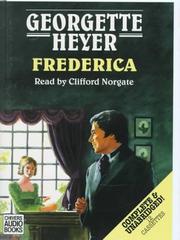
A late novel and by common consent one of her two or three finest — a bored marquis absorbed into the chaos of a family of siblings, a balloon ascent, and a dog. If you read only one Heyer after These Old Shades, read this.
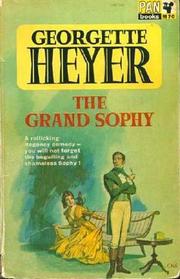
Her most purely comic construction: a heroine who arrives, reorganises an entire household against its will, and is never once wrong. Note that one scene deploys an ugly antisemitic caricature of a moneylender — it is brief, it is genuinely there, and it is worth knowing about in advance.
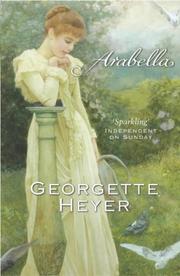
A country parson's daughter arrives in London and, in a temper, lets a rich man believe she is an heiress. The cleanest example of the plot engine she used most often, and the best demonstration of how much charm she could get from it.
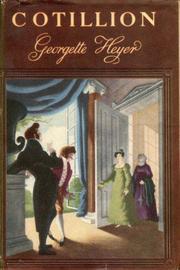
The clever one: it sets up the standard rakish hero and then quietly hands the book to the amiable fool instead. Read it fourth, once the convention is familiar enough for the subversion to register.
The Range of the Regencies
BeginnerSee what she could do when she varied the formula — an older heroine, a genuinely difficult hero, a farce with a full cast.
▸ Study plan for this stage
Pace: 3 weeks, about 1,020 pages — Venetia 332, Sylvester, or, The Wicked Uncle 336, The Unknown Ajax 352. About a book a week. The Unknown Ajax's last hundred pages are a single sustained comic set piece with the entire cast on stage, and it reads faster than its page count once it starts.
- Venetia is her most adult romance: a twenty-five-year-old heroine who is not being protected from anything, and a rake whose reputation is largely deserved rather than a misunderstanding.
- The conversations in Venetia are the best she wrote, and the courtship proceeds almost entirely through them — the plot is what the two of them say to each other.
- Sylvester, or, The Wicked Uncle, catalogued under its full title, has a duke discover that he has been put into a young woman's novel as the villain. It is sharper about writing, reputation and being read than anything else here.
- The Unknown Ajax gives its hero a Yorkshire upbringing and a hostile family of relations, and then runs the whole cast through a single extended deception. It is the purest farce she wrote.
- Varying the formula in these three means changing one term each time — the heroine's age, the hero's public reputation, the number of people on stage — and watching what the change does.
- Heyer's class comedy is sharpest here: The Unknown Ajax is largely about a family that despises trade money and needs it.
- None of these three depends on a misunderstanding between the leads, which is what distinguishes them from the previous stage.
- Venetia is older than Heyer's usual heroine and knows what she is choosing. How does that change the shape of the book?
- Damerel's reputation is deserved. What does Heyer do with that fact that a novel with a falsely-accused hero could not do?
- In Sylvester, what is the novel saying about being written about? Consider that Heyer herself refused interviews.
- How does Heyer keep a full cast legible in the final set piece of The Unknown Ajax? Count the speaking parts in one chapter.
- Which of the three varies the formula most, and does the variation make it a better book or only a different one?
- Take one long conversation between Venetia and Damerel and mark, line by line, what each of them learns. Heyer's dialogue advances the plot at a measurable rate and this makes it visible.
- In Sylvester, find the passages of the heroine's own novel that Heyer quotes and read them as parody. Identify which specific Gothic conventions she is mocking.
- Block the final set piece of The Unknown Ajax like a play: who is in the room, who enters, who is lying to whom about what. One page of staging notes is enough, and it shows the farce is engineered rather than improvised.
- Compare Venetia's first meeting with Damerel to Arabella's with her hero. Same author, same decade, entirely different assumptions about what a heroine may already know.
Next up: The Regency romances are covered; the last stage takes the novel that refuses to be one, a detective story, and the biography that explains where all of it came from.
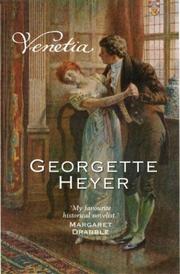
Her most adult romance: a twenty-five-year-old heroine who is not being protected from anything, and a rake whose reputation is largely deserved. The conversations are the best she wrote.
A duke discovers he has been put into a young woman's novel as the villain. Catalogued under its full title, Sylvester, or, The Wicked Uncle. Sharper about writing and reputation than anything else on this list.
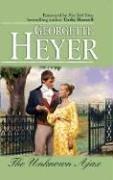
A huge Yorkshire-raised heir arrives to claim an estate full of people who despise him, and the last hundred pages are a sustained comic set piece with the entire cast on stage. The purest farce she wrote.
Beyond the Regency Romance
IntermediateRead the anti-romance, one of the detective novels, and the biography that explains where all of it came from.
▸ Study plan for this stage
Pace: 3 weeks, about 950 pages. A Civil Contract is 394 pages and her most serious novel, and it is deliberately unsatisfying if you arrive wanting a romance — a marriage of convenience between an impoverished viscount and a plain, sensible merchant's daughter in which nobody is transformed by love, and t
- A Civil Contract is the anti-romance: the money is real, the class gap is not closed, and the affection that arrives is domestic rather than transformative. It is divisive among her readers for exactly that reason.
- The novel is unusually precise about how a great estate is actually financed, which is the same research habit that produced An Infamous Army's Waterloo.
- Envious Casca is a country-house Christmas murder in a locked room. The mysteries are competent rather than distinguished, and one is enough to see the same social observation applied to a different genre.
- Heyer's husband, a barrister, plotted the detective novels while she wrote the dialogue and the characters — a division of labour that shows in which parts of them work.
- Hodge's biography draws on letters and Heyer's own research notebooks, and is the book that shows how much period reading sat behind the apparent lightness.
- It also covers her refusal to give interviews and her open contempt for her own popularity — a writer who took her research seriously and her reputation not at all.
- Where to go next: The Masqueraders, The Talisman Ring, Black Sheep and Friday's Child. The Black Moth, written when she was seventeen, and the other pre-1926 books are the ones to skip.
- What does A Civil Contract refuse to give the reader, and what does it offer instead? Is the exchange a fair one?
- How does the novel treat Jenny? Sympathetically, condescendingly, or something harder to name?
- In Envious Casca, which parts of the book are recognisably Heyer and which are the plot machinery? The seam is visible.
- Hodge shows the research notebooks. What does knowing about them change about how you read the cant vocabulary and the period detail?
- Heyer refused interviews and despised her own popularity. Does that attitude show anywhere in the fiction itself?
- Read the final chapter of A Civil Contract immediately after the final chapter of Frederica. Two endings from the same author eleven years apart, and one of them declines the thing the other delivers. Write a paragraph on which you find truer.
- Solve Envious Casca before the reveal: list the suspects, the locked-room constraint and the timings as they are given. The plot is fair, and testing it is the only way to judge her as a mystery writer.
- Using Hodge's account of the notebooks, go back to the glossary you started in stage one and mark which of your terms she can be shown to have sourced. The connection between the biography and the novels becomes concrete rather than asserted.
- Read the opening chapter of The Black Moth, which this path recommends skipping, and write two sentences on why the recommendation is correct. Reading the thing you were told to avoid is the only way to own the judgement.
Next up: This is the last stage: the romances, the anti-romance, the detective novels and the life behind them are all accounted for, and the further titles worth trying are named.
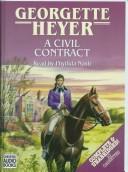
A marriage of convenience between an impoverished viscount and a plain, sensible merchant's daughter, in which nobody is transformed by love and the book is honest about it. Divisive among her readers and probably her most serious novel.
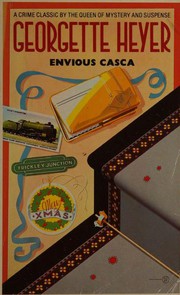
One of the twelve contemporary detective novels she wrote alongside the romances, plotted with her husband: a country-house Christmas murder in a locked room. Worth one to see the same social observation applied to a different genre — the mysteries are competent rather than distinguished.

The biography, drawing on letters and her research notebooks, and the book that shows how much period reading sat behind the lightness. It also covers her refusal to give interviews and her contempt for her own popularity — the right last stop. The Masqueraders, The Talisman Ring, Black Sheep and Friday's Child are the next novels to try; The Black Moth and the other pre-1926 books are the ones to skip.