Best Books on Epilepsy, in Reading Order
This curriculum takes a beginner from zero knowledge of epilepsy to a deep, nuanced understanding of seizure science, treatment options, and daily life management. Each stage builds on the last — starting with accessible patient-centered narratives, moving through clinical foundations and treatment trade-offs, and culminating in advanced surgical, dietary, and quality-of-life perspectives.
Foundations: Understanding Epilepsy
BeginnerBuild core vocabulary around seizure types, basic diagnosis, and what it means to live with epilepsy — told through accessible, patient-centered language.
▸ Study plan for this stage
Pace: 4–5 weeks, ~25–30 pages/day. Start with Devinsky's guide (approximately 200 pages) over 2 weeks, then move to LaPlante's memoir (approximately 300 pages) over 2–3 weeks, allowing time for reflection between books.
- Seizure types and their neurological mechanisms (generalized vs. focal seizures, as explained in Devinsky)
- The diagnostic process: EEG, imaging, and clinical assessment for epilepsy
- Triggers and warning signs (auras, prodromal symptoms) that patients experience
- Living with epilepsy: medication management, lifestyle adjustments, and psychosocial impacts
- The patient perspective and lived experience of epilepsy through narrative (LaPlante's personal account)
- Myths and misconceptions about epilepsy that affect patient care and stigma
- The role of family support and communication in epilepsy management
- What are the main differences between generalized and focal seizures, and how are they identified?
- What diagnostic tools and procedures does a neurologist use to confirm an epilepsy diagnosis?
- How do auras and prodromal symptoms help patients anticipate and manage seizures?
- What are the primary medication and non-medication strategies for seizure control?
- How does epilepsy affect daily life, relationships, and psychological well-being according to both Devinsky and LaPlante?
- What are common myths about epilepsy, and how do they contribute to stigma?
- Create a seizure type reference chart: list 4–6 seizure types from Devinsky's guide with their characteristics, triggers, and typical duration
- Write a patient case study: using LaPlante's account, describe her seizure presentation, diagnostic journey, and key turning points in her treatment
- Develop a personal seizure action plan template based on Devinsky's recommendations for medication, triggers, and emergency response
- Conduct a myth-busting exercise: identify 3–4 misconceptions about epilepsy mentioned in the books and write a 1-paragraph evidence-based correction for each
- Create a family communication guide: outline how to explain epilepsy to family members, based on Devinsky's patient education principles and LaPlante's family dynamics
- Reflection journal: after finishing LaPlante, write 2–3 pages on how her narrative changed or deepened your understanding of what living with epilepsy means
Next up: This stage establishes the clinical and human foundations of epilepsy, preparing you to explore more specialized topics such as specific treatment modalities, neurobiological mechanisms, or the intersection of epilepsy with other conditions in subsequent stages.

Written by one of the world's leading epileptologists, this is the definitive starting point: it explains seizure types, EEG, diagnosis, and treatment options in plain language. Reading it first gives you the full map before diving into any single topic.

A compelling narrative about temporal lobe epilepsy that humanizes the condition and introduces the brain-behavior connection. Reading a personal story after the clinical overview cements the vocabulary in a memorable, emotional context.
Seizure Science: Diagnosis and the Brain
BeginnerUnderstand how seizures are classified, how the brain generates them, and how neurologists arrive at a diagnosis — building the scientific intuition needed to evaluate treatments.
▸ Study plan for this stage
Pace: 4–5 weeks, ~40–50 pages/day. Start with Temkin's historical foundation (1–2 weeks), then transition to Engel's clinical and neuroscientific framework (2–3 weeks). Allocate extra time for re-reading dense sections on neurophysiology and diagnostic criteria.
- Historical evolution of seizure classification: from supernatural/humoral explanations to modern electrophysiological understanding (Temkin's thesis)
- Seizure types and classification systems: generalized vs. focal seizures, and how clinical presentation maps to brain location and activity patterns (Engel)
- Neurophysiological mechanisms: how abnormal neuronal firing, synchronization, and network dysfunction generate seizures (Engel's neuroscience foundation)
- Diagnostic tools and their interpretation: EEG, neuroimaging, and clinical semiology as windows into seizure origin and propagation (Engel)
- The concept of epilepsy as a disease of brain networks, not just single neurons (Engel's modern framework)
- How seizure semiology (observable signs and symptoms) reveals underlying brain anatomy and pathophysiology
- The role of threshold, excitability, and inhibitory/excitatory balance in seizure generation
- How did the understanding of seizures shift from Temkin's historical account—from supernatural/religious interpretations to biological mechanisms—and what role did observation and classification play in this shift?
- What are the major differences between generalized and focal seizures in terms of brain involvement, EEG patterns, and clinical presentation, and why does this distinction matter for diagnosis?
- Explain the neurophysiological basis for how a seizure begins, spreads, and terminates: what happens at the neuronal and network level?
- How do neurologists use EEG, neuroimaging, and clinical semiology together to localize the seizure focus and classify the seizure type?
- What is meant by 'epilepsy as a network disorder' (per Engel), and how does this perspective change how we think about seizure mechanisms compared to older single-neuron models?
- Given a patient's seizure semiology (e.g., focal onset with impaired awareness, specific motor features), how would you predict the likely brain region involved and what diagnostic tests would you prioritize?
- Timeline exercise: Create a visual timeline of seizure classification from Temkin's historical account through to Engel's modern taxonomy. Annotate key conceptual shifts (e.g., from humoral theory to electrical activity) and note what evidence drove each change.
- Seizure semiology mapping: For 5–6 seizure types described in Engel (e.g., focal motor, absence, tonic-clonic), write out the observable signs and predict which brain regions are involved. Cross-reference with neuroimaging findings Engel discusses.
- EEG pattern recognition: Obtain sample EEG tracings (from Engel's figures or supplementary materials) showing normal background, focal spikes, and generalized spike-wave activity. Annotate what each pattern tells you about seizure type and localization.
- Case study analysis: Work through 2–3 clinical vignettes (construct from Engel's examples or use textbook cases). For each, list the seizure semiology, predict the seizure type and focus, and design a diagnostic workup (EEG, MRI, etc.).
- Neurophysiology diagram: Sketch the sequence of neuronal events during a seizure—resting state → hyperexcitability → synchronization → clinical manifestation → termination. Label ion channels, neurotransmitter imbalances, and network effects at each stage.
- Comparative classification exercise: Create a table comparing Temkin's historical categorizations with Engel's modern ILAE classification. Discuss how the same clinical phenomena are now understood through a mechanistic lens.
Next up: Mastering seizure classification, brain mechanisms, and diagnostic reasoning here equips you to evaluate *why* specific treatments work—setting up the next stage's focus on pharmacology, surgery, and personalized management strategies.
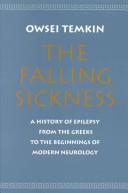
A landmark history of epilepsy from antiquity to the modern era that reveals how our understanding of seizure classification evolved. Reading history here sharpens critical thinking about current diagnostic categories.
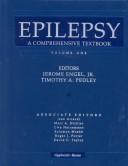
The authoritative clinical reference on seizure types, EEG interpretation, and diagnostic workup. After the historical context, this text gives you the rigorous scientific framework used by practicing neurologists.
Medications: Benefits, Risks, and Trade-offs
IntermediateDevelop a thorough understanding of antiseizure medications — their mechanisms, side-effect profiles, drug interactions, and how clinicians choose between them.
▸ Study plan for this stage
Pace: 8–10 weeks, ~40–50 pages/day (mix of dense pharmacology and clinical tables; allow extra time for mechanism review and drug comparison charts)
- Mechanisms of action for major antiseizure drug classes (sodium channel blockers, GABA enhancers, calcium channel modulators, synaptic vesicle proteins, and novel targets)
- Pharmacokinetics and pharmacodynamics: absorption, distribution, metabolism, elimination, and how these properties affect dosing and drug interactions
- Adverse effect profiles and idiosyncratic reactions for each major drug, including dose-dependent vs. dose-independent toxicity
- Drug–drug interactions, enzyme induction/inhibition, and protein binding displacement—critical for polypharmacy management
- Clinical decision-making frameworks: matching drug choice to seizure type, patient age, comorbidities, and reproductive status
- Therapeutic drug monitoring: indications, target ranges, and interpretation in the context of clinical response
- Teratogenicity, pregnancy considerations, and developmental effects of antiseizure medications
- Special populations: pediatric dosing, elderly patients, renal/hepatic impairment, and drug interactions with oral contraceptives
- How do sodium channel blockers, GABA enhancers, and calcium channel modulators differ in their mechanisms, and which seizure types is each class most effective for?
- Explain the pharmacokinetic differences between phenytoin and levetiracetam, and how these differences affect their clinical use and monitoring requirements.
- What are the major idiosyncratic adverse effects of antiseizure drugs (e.g., Stevens–Johnson syndrome, DRESS syndrome, hepatotoxicity), and which drugs carry the highest risk?
- How do enzyme-inducing antiseizure drugs affect the metabolism of oral contraceptives and other medications, and what clinical adjustments are necessary?
- Describe a clinical scenario where you would choose one antiseizure drug over another based on seizure type, patient age, comorbidities, and drug interaction profile.
- When is therapeutic drug monitoring indicated, what are the target ranges for commonly monitored drugs, and how do you interpret levels in the context of clinical response and toxicity?
- Create a comprehensive comparison table for 8–10 major antiseizure drugs (e.g., phenytoin, valproate, lamotrigine, levetiracetam, lacosamide) covering mechanism, pharmacokinetics, seizure indications, major adverse effects, and drug interactions.
- Work through 5–6 clinical case studies involving polypharmacy: identify potential drug interactions, predict adverse effects, and recommend dosing adjustments based on Patsalos' and Levy's guidance.
- Construct a decision tree or flowchart for selecting an antiseizure drug based on seizure type (generalized tonic–clonic, focal, absence, myoclonic) and patient factors (age, pregnancy status, renal function).
- Analyze 3–4 therapeutic drug monitoring scenarios: interpret serum levels, determine whether levels are therapeutic or toxic, and recommend dose adjustments.
- Research and summarize the teratogenic risks and pregnancy management strategies for 4–5 commonly used antiseizure drugs, using both books and current guidelines.
- Prepare a 10–15 minute presentation on a single antiseizure drug (e.g., valproate or levetiracetam), covering its history, mechanism, pharmacokinetics, clinical efficacy, adverse effects, and role in modern practice.
Next up: This stage equips you with the pharmacological foundation and clinical decision-making tools needed to evaluate real-world treatment outcomes, understand why certain drugs succeed or fail in individual patients, and move into the next stage's focus on personalized medicine, treatment resistance, and long-term management strategies.

The most practical and widely used pharmacological reference for antiseizure drugs, covering dosing, interactions, and side effects drug by drug. It belongs here because you now have the diagnostic foundation to understand why one drug fits one seizure type and not another.
A deeper pharmacokinetic and clinical pharmacology treatment of the major drug classes, ideal for understanding the mechanistic trade-offs that the prescriber's guide summarizes. Reading it second in this stage adds the 'why' behind the 'what.'
Advanced Treatments: Surgery and Diet Therapy
IntermediateUnderstand when and how epilepsy surgery is pursued, what the ketogenic diet does neurologically, and how these non-pharmacological therapies compare in efficacy and risk.
▸ Study plan for this stage
Pace: 8–10 weeks, ~40–50 pages/day. Week 1–5: "Textbook of Epilepsy Surgery" (primary focus on surgical candidacy, pre-surgical evaluation, and outcome data); Week 6–10: "Ketogenic Diets" (mechanism, implementation, efficacy comparison with surgery). Allow 1 week buffer for review and synthesis.
- Surgical candidacy criteria: identifying patients who are appropriate candidates for epilepsy surgery based on seizure type, localization, and comorbidities
- Pre-surgical evaluation protocols: EEG monitoring, neuroimaging, neuropsychological testing, and invasive monitoring techniques
- Surgical approaches and outcomes: temporal lobe resection, extratemporal surgery, and success rates stratified by pathology and location
- Ketogenic diet mechanism: how metabolic shifts and altered neurotransmission reduce seizure threshold and neuronal excitability
- Ketogenic diet implementation: patient selection, macronutrient ratios, monitoring protocols, and adherence challenges
- Comparative efficacy: seizure reduction rates for surgery vs. ketogenic diet across different epilepsy syndromes and patient populations
- Risk-benefit analysis: surgical complications (cognitive, neurological, mortality) versus dietary side effects and quality-of-life impacts
- Role of non-pharmacological therapies in treatment-resistant epilepsy and personalized medicine approaches
- What are the primary criteria for determining whether a patient is a surgical candidate for epilepsy, and how do seizure localization and underlying pathology influence this decision?
- Describe the key components of pre-surgical evaluation and explain why invasive monitoring is sometimes necessary.
- What are the expected seizure-free outcomes for temporal lobe resection versus extratemporal surgery, and how do these vary by pathology?
- How does the ketogenic diet alter neuronal excitability and seizure threshold at the cellular and metabolic level?
- What are the practical steps for initiating and maintaining a ketogenic diet in epilepsy patients, and what are the main barriers to long-term adherence?
- How do seizure reduction rates and side effect profiles compare between epilepsy surgery and ketogenic diet therapy across different patient populations?
- What are the major surgical complications and how do they compare in frequency and severity to adverse effects of ketogenic diet therapy?
- In what clinical scenarios would you recommend surgery over diet therapy, or vice versa, and what factors drive this decision in treatment-resistant epilepsy?
- Create a surgical candidacy flowchart: develop a decision tree that incorporates seizure type, localization confidence, comorbidities, and prior medication trials to determine whether a hypothetical patient should be referred for pre-surgical evaluation.
- Analyze a pre-surgical evaluation case study: review a detailed patient case (from the textbook or a constructed scenario) and outline the specific tests, monitoring duration, and invasive procedures needed to localize the seizure focus.
- Comparative outcome table: construct a table comparing seizure-free rates, cognitive outcomes, and complication rates for temporal vs. extratemporal surgery across at least 3 different pathologies (e.g., mesial temporal sclerosis, focal cortical dysplasia, tumor).
- Ketogenic diet protocol design: write a 4-week implementation plan for a newly diagnosed patient, including macronutrient ratios, meal examples, monitoring schedule, and contingency plans for side effects.
- Mechanism diagram: create a visual representation of how the ketogenic diet affects metabolic pathways, GABA/glutamate balance, and neuronal firing patterns based on Kossoff's mechanistic explanations.
- Risk-benefit presentation: prepare a 10-minute presentation comparing surgery and ketogenic diet for a specific epilepsy syndrome (e.g., Dravet syndrome, focal cortical dysplasia), including efficacy data, complication rates, and quality-of-life considerations.
- Literature synthesis: identify and summarize 2–3 recent studies (cited in the textbooks) comparing surgical outcomes to ketogenic diet outcomes in overlapping patient populations.
- Patient counseling role-play: practice explaining surgical risks and ketogenic diet requirements to a patient and family, addressing common misconceptions and realistic expectations for each therapy.
Next up: This stage equips you with in-depth knowledge of two major non-pharmacological interventions, preparing you to evaluate when and how to integrate these therapies into comprehensive treatment algorithms and to understand emerging combination approaches and personalized medicine strategies in epilepsy management.
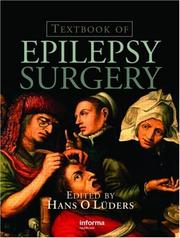
The canonical surgical reference, covering presurgical evaluation, resective and palliative procedures, and outcomes. It builds directly on the diagnostic knowledge from Stage 2 — you need to understand seizure localization before surgery makes sense.

Written by the Johns Hopkins team that pioneered modern use of the ketogenic diet, this book covers the science, clinical protocols, and patient selection criteria. Pairing it with the surgery book gives a complete picture of non-drug options.
Living Deeply: Quality of Life, Advocacy, and the Whole Person
ExpertSynthesize medical knowledge with the psychological, social, and ethical dimensions of epilepsy — including driving, employment, mental health, stigma, and self-advocacy.
▸ Study plan for this stage
Pace: 6–8 weeks, ~25–30 pages/day (with reflection breaks). Allocate 3–4 weeks to Schachter's "Brainstorms" (personal narratives, slower absorption), then 2–3 weeks to Richard's "Epilepsy" (synthesis and broader frameworks).
- First-person narratives and lived experience as clinical evidence: how patient stories reveal gaps in medical understanding and illuminate the human dimensions of epilepsy management
- Psychological and emotional impacts of epilepsy: anxiety, depression, identity formation, and the relationship between seizure control and mental health outcomes
- Social determinants and stigma: how cultural beliefs, discrimination, and social isolation shape quality of life independently of seizure frequency
- Driving, employment, and independence: practical and legal frameworks for decision-making, disclosure, and self-advocacy in high-stakes contexts
- The biopsychosocial model in practice: integrating medical, psychological, and social interventions to address the whole person rather than seizures alone
- Self-advocacy and empowerment: recognizing the patient as expert in their own condition and the role of informed choice in treatment decisions
- Ethical dimensions of epilepsy care: autonomy, risk management, disclosure dilemmas, and the tension between protection and independence
- How do the personal narratives in 'Brainstorms' challenge or expand upon the medical model of epilepsy presented in clinical literature?
- What are the major psychological and social barriers to quality of life for people with epilepsy, and how do they intersect with seizure control?
- What frameworks does Richard propose for understanding the relationship between epilepsy and identity, stigma, and social participation?
- How should decisions about driving and employment be made, and what role should the person with epilepsy play in that decision-making process?
- What does it mean to practice self-advocacy in epilepsy care, and what specific strategies do the authors suggest for empowering patients?
- How can healthcare providers and support systems address the whole person with epilepsy, not just their seizures?
- Close-read 3–4 narratives from 'Brainstorms' and annotate moments where emotional, social, or identity concerns diverge from medical concerns; write a 1-page reflection on what these gaps reveal about epilepsy care
- Create a personal case study: develop a fictional person with epilepsy (including seizure type, frequency, comorbidities) and map out the psychological, social, employment, and driving considerations they would face using frameworks from both books
- Interview or conduct a written dialogue with someone who has epilepsy (or review a detailed case study) about their experience with stigma, disclosure decisions, and self-advocacy; synthesize findings against Richard's framework
- Develop a one-page 'self-advocacy toolkit' for a newly diagnosed adult with epilepsy, drawing on specific strategies and insights from both texts
- Write a comparative analysis (2–3 pages) of how Schachter's narratives and Richard's frameworks address the same issue (e.g., mental health, employment, or identity) — what does each approach reveal?
- Role-play or write out a difficult conversation: a person with epilepsy disclosing their condition to an employer or explaining driving restrictions to family; use the texts to ground realistic dialogue and ethical reasoning
Next up: This stage synthesizes the medical foundations of epilepsy with the lived human experience, preparing you to move into specialized or applied domains—such as specific populations (pediatric, geriatric, pregnancy-related epilepsy), advanced treatment modalities, or policy and systems-level advocacy—with a grounded understanding of why holistic, person-centered care matters.
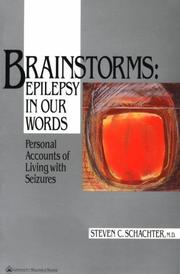
A collection of first-person seizure descriptions from patients, edited by a Harvard epileptologist. After mastering the clinical and treatment landscape, reading patients' own voices regrounds the learner in the lived reality of the condition.
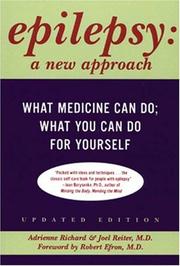
Focuses on self-management strategies, psychological resilience, and navigating daily life with epilepsy. It is the ideal capstone — translating everything learned into actionable, person-centered practice.
Discussion
Keep reading
Paths that share books, cover the same subject, or open a related topic.