Charlie Parker Reading Order: Where to Start with John Connolly
There is one reason to read the Charlie Parker novels in order rather than picking one up at random: the series starts as a hard-boiled private-eye procedural and ends somewhere close to cosmic horror, and it gets there so gradually that no individual book feels like a break. Read out of order and the supernatural material looks arbitrary; read in sequence and you can watch Connolly move the line a few inches per novel. These stages mark where the register shifts. One book, The Dirty South, is a prequel and is placed at its publication position rather than its chronological one — the argument for that is in its entry.
The Procedural Years
BeginnerStart at the beginning and get the Parker premise, the Maine setting and the two men who become the series' other constant.
▸ Study plan for this stage
Pace: 8–9 weeks. Every Dead Thing is 467 pages, Dark Hollow 434, The Killing Kind 388 and The White Road 457 — roughly a fortnight each at a normal reading pace. Nocturnes is a 496-page short-story collection and is not a novel; read only for the Parker novella The Reflecting Eye if you are short of time,
- The series premise: a New York detective whose family is murdered, and a first novel that tells the backstory straight because no later book will
- The move to Maine in Dark Hollow, which becomes as important to the series as Parker himself
- Louis and Angel as the two constants — introduced early, established fully by the end of The White Road
- Deniable supernaturalism: through these four books every uncanny element can still be read as grief or coincidence, which is exactly the effect Connolly wants
- The Believers and the first appearance of an organised malevolence behind individual crimes
- Case-of-the-week structure giving way to a visible larger architecture in The Killing Kind
- The moral cost of Parker's methods, put to him directly for the first time in The White Road
- Which specific incidents in the first four books can be read either supernaturally or naturally, and does Connolly ever close the ambiguity?
- What changes about the series in The Killing Kind, structurally rather than in plot?
- What are Louis and Angel for, narratively — what can they do that Parker cannot?
- How does Maine function differently from New York as a setting for these cases?
- What is put to Parker at the end of The White Road, and does the series ever answer it?
- Keep a two-column ledger from book one: on the left, every event with a supernatural reading; on the right, the naturalistic explanation available. Through these four books the right column is never empty. That ledger is the single most useful thing you can carry into the next stage.
- Track how many pages of each novel are spent on procedure — interviews, records, surveillance — against how many on the uncanny. Do this for Every Dead Thing and again for The White Road; the ratio has moved.
- Note every mention of Parker's dead wife and daughter across the four books and how the register changes. It is the series' longest-running motif.
- Read The Reflecting Eye in Nocturnes and write down what it introduces that the next novel assumes. It is the tidiest reason to read the collection here rather than skipping it.
Next up: The right-hand column of your ledger runs out in the next book — that is the turn, and it is where the series either loses you or gets much stranger and better.
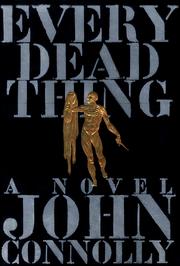
The first novel and the only correct starting point: a New York detective whose wife and daughter are murdered goes after the killer. It is the most conventional serial-killer thriller in the series and the only place the backstory is told straight.
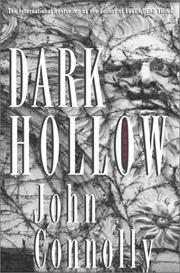
Moves Parker permanently to Maine, which becomes as important as he is. The supernatural element is still deniable here — a reader could put it down to grief, which is exactly the effect Connolly wants.
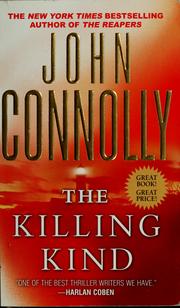
Introduces the Believers and the idea of an organised malevolence behind individual crimes. This is the first book where the series' larger structure is visible, and where it stops being a case-of-the-week.
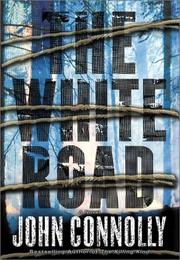
Takes Parker south and closes out the early arc. Louis and Angel are fully established by the end of it, and the moral cost of Parker's methods is put to him directly for the first time.

A short-story collection that contains the Parker novella The Reflecting Eye, which sits between The White Road and The Black Angel and introduces material the next novel assumes. Skippable, but reading it here is the tidiest solution.
The Turn
IntermediateFollow the books where the supernatural stops being ambiguous and the series commits to its own mythology.
▸ Study plan for this stage
Pace: 6–7 weeks. The Black Angel is 579 pages and the longest so far; The Unquiet is 456, The Reapers 336 and The Lovers 344. Read them in order — this is the stretch where Connolly establishes the alternation between cosmic escalation and intimate case that governs the rest of the series, and reading out
- The Black Angel as the point of no return: an explicitly supernatural plot that cannot be explained away
- Fallen angels and the Czech ossuary as the series committing to its own mythology
- The alternation pattern — a cosmic book followed by a small, sad, contained one — which The Unquiet establishes
- Louis and Angel promoted to leads in The Reapers, and what their backstory does to the moral arithmetic of the series
- The Lovers as the structural hinge: Parker investigating his own father's death and his own origins
- What is revealed in The Lovers, and how much of the later series depends on it
- Where a reader who wants a straight crime series stops, and what they miss
- At what specific point in The Black Angel does the naturalistic reading become unavailable?
- Why does The Unquiet immediately follow The Black Angel, and what would be lost by reversing them?
- What do you learn about Louis in The Reapers that changes how you read his earlier appearances?
- What is revealed about Parker's father and about Parker in The Lovers, and what does it commit the series to?
- Is the alternation pattern a structural principle or an accident of publication? Argue from these four books.
- Close out the two-column ledger from stage one at the exact page in The Black Angel where the right column can no longer be filled. Note the page number; it is the hinge of the whole reading order argument.
- After The Lovers, go back to the first fifty pages of Every Dead Thing and mark every line that now reads differently. Connolly planted more there than a first reading can catch.
- Chart the alternation across all nine books read so far: for each, mark cosmic or intimate. Then predict the register of the next book before you start it, and check.
- Read The Reapers and write a paragraph on what the series would look like if Louis were the protagonist. It is the only book that lets you ask.
Next up: With the mythology committed to and Parker's origins on the table, the series settles into a long middle where a standing conspiracy replaces the standalone antagonist.
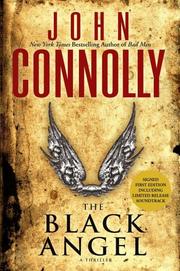
The point of no return: fallen angels, a Czech ossuary, and a plot that could not be explained away. Readers who want a straight crime series usually stop here; readers who stay get a much stranger and better sequence.
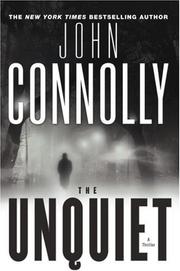
Pulls back to a tighter, sadder case about a missing psychiatrist and abused children. Deliberately placed after The Black Angel — Connolly alternates cosmic escalation with intimate books, and this is the pattern's first clear instance.
Hands the novel to Louis and Angel, with Parker at the margins. The one entry that could be read out of sequence, and the best introduction to the two characters who carry much of the later series.
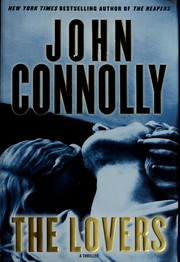
Parker investigates his own father's death and his own origins. Structurally the hinge of the whole series — almost everything in the later books depends on what is revealed here.
Maine and the Backers
IntermediateSettle into the long middle, where a recurring conspiracy replaces the standalone antagonist.
▸ Study plan for this stage
Pace: 6–7 weeks. The Whisperers is 410 pages, The Burning Soul 421, The Wrath of Angels 474 and The Wolf in Winter 424 — about a fortnight each. Read them in order and do not skip The Wrath of Angels, which sets the terms for the next decade of the series. The Whisperers deals with veterans of the Iraq wa
- The Backers as a standing antagonist — a distributed conspiracy rather than a villain, surfacing properly in The Burning Soul
- The Iraq war material in The Whisperers as a deliberate re-grounding after the metaphysics of The Lovers
- Smuggled antiquities and the object that should not be opened — the series' recurring device of a physical thing that carries the supernatural
- The crashed plane and the list of names in The Wrath of Angels as the series' central MacGuffin for the next decade
- Prosperous in The Wolf in Winter as Connolly's purest American-gothic construction: a town with its own arrangement
- The contained-community novel as a form Connolly returns to repeatedly
- How a long series maintains stakes without escalation, by widening rather than raising
- Who or what are the Backers, and how much is actually established by the end of this stage?
- What is on the list in The Wrath of Angels, and why does it matter for everything after?
- How does Prosperous work — what is the arrangement, and what does the town get out of it?
- What does the ending of The Wolf in Winter do to the series, and why can it not be read out of order?
- What does the Iraq material give The Whisperers that a purely supernatural plot would not?
- Start a Backers file: every named individual, every hint about the structure, and the book and rough page where it appears. Connolly gives this out in fragments over ten years and a file is the only way to hold it.
- Track the recurring object motif — the box in The Whisperers, the list in The Wrath of Angels — across the stage. Note in each case whether the object is the plot or merely its trigger.
- Compare Prosperous in The Wolf in Winter with the Cut, which you will meet in the next stage. Write the comparison after you get there; make the note now.
- Before starting The Wolf in Winter, write down what you expect the series to do next. It is the book that most rewards having a prediction to be wrong about.
Next up: The Wolf in Winter's ending is picked up directly by the next book, and the stage that follows is where Parker's daughter becomes as central to the series as he is.

Returning veterans, smuggled antiquities and a box that should not be opened. The Iraq war material grounds the series again after the metaphysics of The Lovers.

A small, contained book about a man in witness protection in a Maine town. The Backers surface properly here as the series' standing antagonist.
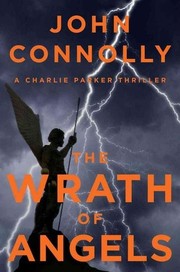
A crashed plane in the Maine woods with a list of names aboard. This is the book that sets the terms for the next decade of the series; do not skip it.

The town of Prosperous, and the most self-contained horror novel Connolly has written. It ends on the biggest single shock in the series, which is why the order matters here more than anywhere.
The Long War
IntermediateRead the middle-late run, in which Parker's daughter becomes as central as he is, through to the arc's conclusion.
▸ Study plan for this stage
Pace: 8–9 weeks and the heaviest stage on the path. A Song of Shadows is 438 pages, A Time of Torment 496, A Game of Ghosts 452, The Woman in the Woods 481, and A Book of Bones 552 — the longest novel in the series. Read them in publication order without exception: A Song of Shadows picks up directly from
- Parker's recovery arc opening A Song of Shadows, and what the injury permanently changes about the character
- Sam Parker — the living daughter — moving from background to a role the series has been building for her since The Lovers
- The Cut in A Time of Torment: a closed community with its own god, and Connolly's American-gothic register at full strength
- The Backers' network widening in A Game of Ghosts from conspiracy to institution
- The Atlas and the England material in A Book of Bones as the series going international and mythological at once
- Two novels as one long book — the Woman in the Woods and Book of Bones arc, and how to pace reading it
- Two daughters, one dead and one living, as the structure the whole series has been organising itself around
- What has changed about Parker physically and morally after A Song of Shadows, and does the series ever undo it?
- What is Sam, and how does the series avoid answering that directly across these five books?
- How does the Cut sustain itself, and what does Connolly want you to notice about how ordinary its economics are?
- What is the Atlas, and what does A Book of Bones establish about it?
- Where does The Woman in the Woods end and A Book of Bones begin, structurally rather than in publication?
- Keep the Backers file running through all five books and note the moment the organisation stops being a rumour and becomes a described structure.
- Track every Sam scene across the stage, in order, and write one line each on what it implies about her. The series never states it, and the accumulated list is the closest thing to an answer available.
- Now write the Prosperous-versus-the-Cut comparison you noted in the last stage: two closed communities, two arrangements. What does each one want, and what does Connolly think they have in common?
- Read The Woman in the Woods and A Book of Bones back to back over three weeks, and mark the point at which the second book stops resolving the first and starts doing something new.
- Reread the opening chapter of A Song of Shadows after finishing A Book of Bones and note how much of the arc is already stated there.
Next up: With that arc closed, the remaining books include the series' one prequel and two novels that step away from Parker entirely — and the prequel's placement is the argument of the last stage.

Picks up directly from the end of The Wolf in Winter with Parker recovering, and brings in a Second World War strand. Reading it out of sequence would spoil the previous book entirely.

The Cut — a closed community in West Virginia with its own god. Among the best standalone cases in the series and a good demonstration of Connolly's American-gothic register.

A missing investigator and a widening view of the Backers' network. Sam, Parker's living daughter, starts to take on the role the series has been building for her.

A buried body, a missing child, and the return of one of the series' better antagonists. It advances the overarching plot more than its case-file premise suggests.

The longest novel in the series and the direct conclusion of the Woman in the Woods arc, moving to England and the Atlas. Effectively the second half of one very long book, so read the two together.
The Recent Run
IntermediateFinish the published sequence, including the one prequel and the two novels that step away from Parker entirely.
▸ Study plan for this stage
Pace: 7–8 weeks. The Dirty South is 464 pages, The Nameless Ones a full-length novel, The Instruments of Darkness 500 and The Children of Eve 451. The Furies is not a novel at all but two novellas in one volume — worth knowing before you buy it, and it reads much faster than its neighbours. Read them in p
- The prequel problem: The Dirty South is set between Parker's family's murder and Every Dead Thing, and publication order and chronological order pull in opposite directions
- Why publication order wins here — the book is constructed for a reader who knows the whole arc, and reading it first flattens it
- The Nameless Ones as a Louis and Angel novel that settles debts running back to The Reapers
- The Furies as two novellas rather than a novel, and what the shorter form does to a Parker case
- The Instruments of Darkness as a deliberate return to the tighter procedural mode of the earliest books
- An ongoing series: The Children of Eve is a stopping point rather than a conclusion
- The full arc, procedural to cosmic horror, now visible end to end — and the gradualness that made it possible
- Having read The Dirty South nineteenth, what specifically would have been lost by reading it first?
- What debts does The Nameless Ones settle, and how far back do they run?
- What does The Instruments of Darkness demonstrate about the series' range, this late in?
- Where has The Children of Eve left the ongoing plot, and what is genuinely unresolved?
- Looking back across twenty-odd books, at which point did the series become something other than a crime series — and can you defend a single novel as the answer?
- Read The Dirty South and then reread the first thirty pages of Every Dead Thing. Write 300 words on what the prequel adds and what it would have given away had you read it first. That is the reading-order argument, tested.
- Close the Backers file. Write a two-page summary of everything the series has established about them, marking each item as stated, implied or guessed.
- Chart the series formula across all twenty-plus books: for each, mark procedural or supernatural, cosmic or intimate, Parker-led or not. The resulting table is the clearest possible picture of the drift, and it makes the case for reading in order better than any argument.
- Take the two-column supernatural ledger you opened in stage one and the page number where it closed. Write a final paragraph on how Connolly moved the line a few inches per novel without any single book breaking faith with the last.
Next up: You have read the whole published sequence in the order that makes its drift legible, including the prequel in its right place — and the series is still running.

A prequel set in 1997, between Parker's family's murder and Every Dead Thing. Published nineteenth and best read nineteenth: it is written for readers who already know what Parker becomes, and its power depends on that.

A Louis and Angel novel set in Amsterdam and the Balkans, with Parker largely absent. Slighter than the surrounding books but it settles debts the series has been carrying since The Reapers.

Two novellas in one volume rather than a novel — worth knowing before you buy. Both are Parker cases and both feed the ongoing story.
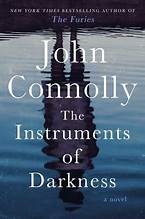
Back to full-length, with a Maine trial and a missing child, and a return to the tighter procedural mode of the early books. A good demonstration that the series can still do both registers.

The most recent instalment at the time of writing, and the current end of the road. The series is still running, so treat this as a stopping point rather than a conclusion.