Kafka is easy to install and deceptively hard to design around, because it is not really a message queue — it is a distributed, durable log, and building on it well means thinking in terms of events and streams rather than requests and responses. Teams that treat it as a fancier queue end up fighting its model instead of using it.
The order that works learns the platform itself first, then the stream-processing layer that turns raw events into useful data, and finally the architectural patterns that make event-driven systems coherent. Each step reframes what Kafka is for.
Learn the platform
Start with Kafka, the definitive guide to how the platform works — topics, partitions, producers, consumers, and the durability guarantees underneath. Apache Kafka in Action is the hands-on companion that gets you productive quickly with real configuration and code, and Apache Kafka: Up and Running offers another practical on-ramp for standing up and operating a cluster. Between them you gain both the conceptual model and the operational confidence to run Kafka in earnest.
Process the streams
Raw events are only valuable once you can transform them. Kafka Streams in Action teaches Kafka's own stream-processing library for building applications that filter, join, and aggregate events in real time. Mastering Kafka Streams and KsqlDB goes deeper, adding the SQL-like layer that makes stream processing accessible to more of a team. Streaming Systems steps back to the fundamentals of processing unbounded data — windowing, watermarks, and correctness over time — knowledge that applies across every streaming tool.
Design event-driven systems
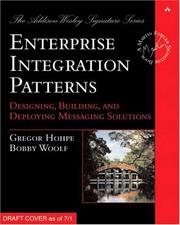
The final arc is architecture. Designing Event-Driven Systems is the concise guide to using Kafka as the backbone of an event-driven organization, covering the patterns that keep services decoupled. Enterprise integration patterns is the timeless catalog of messaging patterns that underpins this whole style of system, and Designing Data-Intensive Applications ties it all together with the broader theory of streams, logs, and consistency that Kafka embodies.
Read in this order and Kafka stops being a mysterious pipe and becomes the foundation of a coherent event-driven architecture. Follow the full path to go from your first topic to systems designed around streams.
Follow the full reading path →
Ready to learn something deeply?
Build a reading path — free