Getting better at board and strategy games is not just about memorizing openings. The deepest improvement comes from understanding three things: the rich history of games and why they endure, the mathematics of strategic thinking, and the craft of how games are designed. Learn all three and you start to see the structure beneath the surface — why a game creates the tensions it does, and how to think inside it. A good reading order moves through those layers in turn, so each builds on the last.
Start with the culture and history of games, move into the theory of strategy, then study game design itself. By the end you will play not only better but with a designer's understanding of what you are playing.
Understand games and their history
Begin with The Board Game Book by Robert Charles Bell, a rich survey of games across cultures and centuries that grounds you in the long human relationship with play. Then read Eurogames by Stewart Woods, which explains the modern hobby-game movement and what makes contemporary designs tick. Add It's All a Game by Tristan Donovan for an engaging popular history of the board games we know and love. Together they give you cultural fluency and a sense of what games are for.
Learn to think strategically
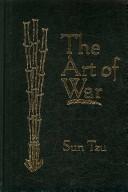
Now to the theory that underlies competitive play. The Art of War by Sun Tzu is the ancient classic on strategy, conflict and positioning whose principles echo through every strategy game. Then read Thinking Strategically by Avinash K. Dixit, an accessible introduction to game theory and how rational players anticipate each other. Go deeper with The complete strategyst by John Davis Williams, a clear primer on the mathematics of strategy and zero-sum games.
Study how games are designed
Understanding design sharpens your play enormously. The art of game design by Jesse Schell is the landmark text on what makes games work, viewed through dozens of lenses. Challenges for Game Designers by Brenda Romero (Brathwaite) offers hands-on exercises that reveal how mechanics create experiences. And Characteristics of games by George Skaff Elias analyzes the formal properties — luck, skill, length, player interaction — that define how a game feels to play.
Go deeper into theory and specific games
Finish with more rigor and a classic case study. Rules of play by Katie Salen is a foundational academic text on game design and meaningful play. Game of Go, the National Game of Japan by Arthur Smith introduces one of the deepest strategy games ever devised, and Lessons in play by Michael H. Albert opens the door to combinatorial game theory, the mathematics of who wins and why.
How to actually improve
Play deliberately: after a game, ask what decision actually swung it and whether you saw it coming. Study one game deeply rather than dabbling in many, and try designing a small game yourself, because nothing teaches strategy like building the incentives from scratch. Read your opponents as much as the board, and treat losses as data, not defeats.
Ready to play smarter, in order? Follow the full reading path, explore the subject hub, or browse related paths.
Ready to learn something deeply?
Build a reading path — free